

Preservatives 101: Keeping Your Skincare Safe and Effective
Updated: Nov 20, 2025
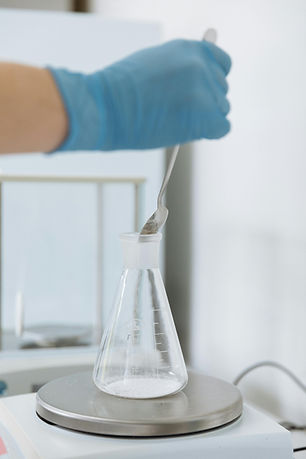
When it comes to creating a successful skincare product, ingredients get most of the spotlight—especially the trending actives and botanical extracts. But behind every safe, stable, and consumer-ready formula is something far less glamorous: a well-designed preservative system.
As a cosmetic manufacturer and formulation partner, we spend a lot of time helping founders understand why preservatives matter, how they work, and what makes one system better suited for a formula than another. If you're building a skincare line, this is a topic worth feeling confident about.
Why Preservatives Matter
Any formula containing water, plant extracts, hydrosols, or anything that can harbor microbial life needs a preservative. Without it, even the most luxurious formula can become unsafe within days or weeks.
Preservatives protect your product against:
Bacteria
Yeast
Mold
Contamination from use (like dipping fingers or contact with air)
Beyond safety, a proper preservative system helps maintain:
Product consistency
Shelf life
Performance and stability
Your brand’s reputation; A spoiled or discolored product isn’t just inconvenient—it risks customer trust.
The Biggest Misconception: “Preservative-Free” Is Healthier
Today’s skincare market is saturated with "clean beauty," “natural,” and “preservative-free” messaging. While appealing, skipping preservatives in a water-based product is not safer.
In reality:
Preservatives prevent harmful microbial growth.
Many modern preservatives are gentle, globally accepted, and effective at low levels.
“Natural-preserving alternatives” often still require a booster system to work correctly.
A well-formulated product uses the right preservative, not no preservative.
Not All Preservatives Are the Same
Different formulas need different preservative solutions. Factors include:
pH range
Solubility
Product type (emulsion, gel, serum, cleanser)
Packaging
Where and how the consumer will use it
Some examples of commonly used (and widely accepted) preservatives include:
Phenoxyethanol blends: Great broad-spectrum options compatible with many systems.
Organic acids & their salts: (like sodium benzoate or levulinic acid)More “naturally aligned,” but often require low pH to work.
Ethylhexylglycerin: Often used as a booster.
Benzyl alcohol: Useful but with a distinct scent, so better in certain formulas.
Glycol-based systems: Good for natural-leaning brands when paired with multifunctional ingredients.
There’s no one-size-fits-all solution—this is where professional formulation makes all the difference.
Preservative Systems vs. Single Preservatives
Instead of relying on one preservative, we often create preservative systems that combine multiple ingredients to:
Broaden antimicrobial protection
Improve efficacy across pH ranges
Enhance stability
Support a cleaner marketing profile
Think of it as creating a well-rounded defense strategy rather than relying on a single player.
Safety Testing Is Non-Negotiable
Even with a smart preservative system, every formula must undergo:
Stability testing
Preservative efficacy testing (PET) Also known as a challenge test
This ensures the formula can withstand real-world conditions, temperature changes, and potential contamination over time. No matter how simple a product seems, testing is essential for both brand safety and regulatory compliance.
How We Help Founders Navigate Preservatives
Understanding preservatives doesn’t need to be overwhelming. When clients come to us, we:
Review the product concept and target market
Choose preservative options aligned with the formula and brand values
Test and refine the system during R&D
Ensure the final product meets stability and safety requirements



Comments